New National E-waste Monitor highlights Kenya’s growing circular economy opportunity
Kenya generated an estimated 56,000 tonnes of electronic waste in 2025—more than seven times the amount recorded in 2000. A new national assessment shows both the scale of the challenge and the opportunities that better collection, repair, reuse and recycling could create.
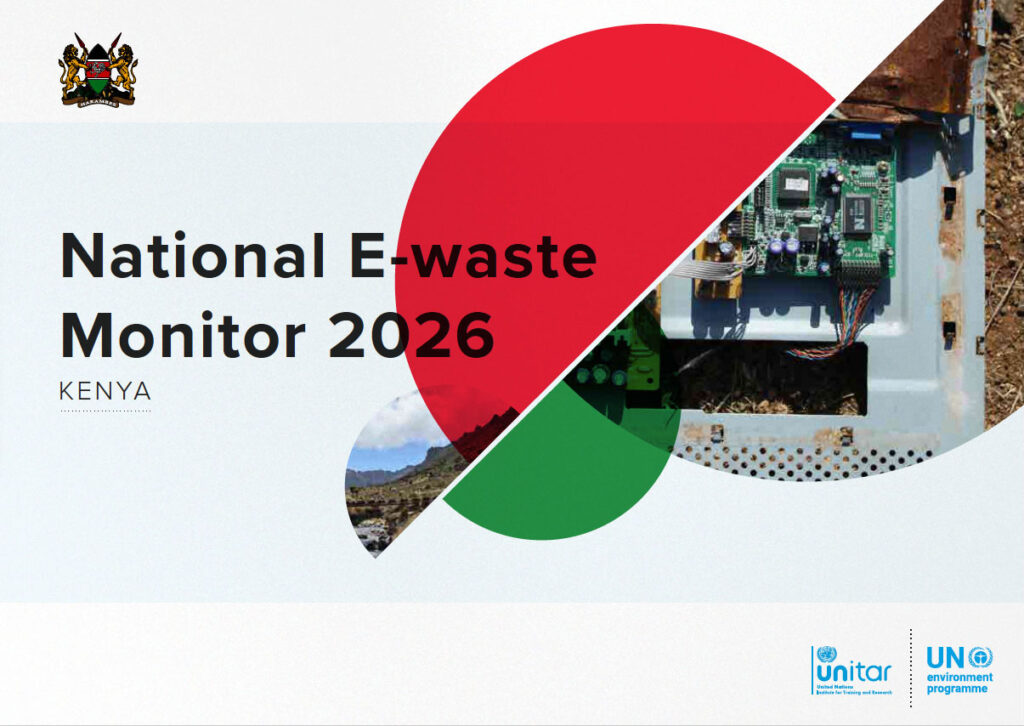
The National E-waste Monitor 2026 – Kenya provides the latest data on electrical and electronic equipment placed on the market, e-waste generation and current management practices. It finds that households account for almost three quarters of the country’s e-waste, while only a small share currently reaches formal collection and recycling systems.
At the same time, Kenya’s e-waste contains valuable resources. The metal fractions alone were worth an estimated USD 48–50 million in 2025. Recovering more of these materials through environmentally sound systems could support new businesses and jobs, reduce risks to health and the environment, and strengthen Kenya’s transition towards a circular electronics economy.
The report also recognises the central role of informal collectors, repairers, refurbishers and dismantlers. Closer links between these actors and formal recycling and producer responsibility systems will be essential to building an inclusive and effective national system.
Prepared jointly by UNITAR and the Kenya National Bureau of Statistics, the Monitor recommends stronger collection infrastructure, effective implementation of extended producer responsibility, targeted investment in recycling capacity, and regular national reporting on e-waste flows.
The report was developed with support from the United Nations Environment Programme under a project funded by the European Union.
Other E-waste Data Resources
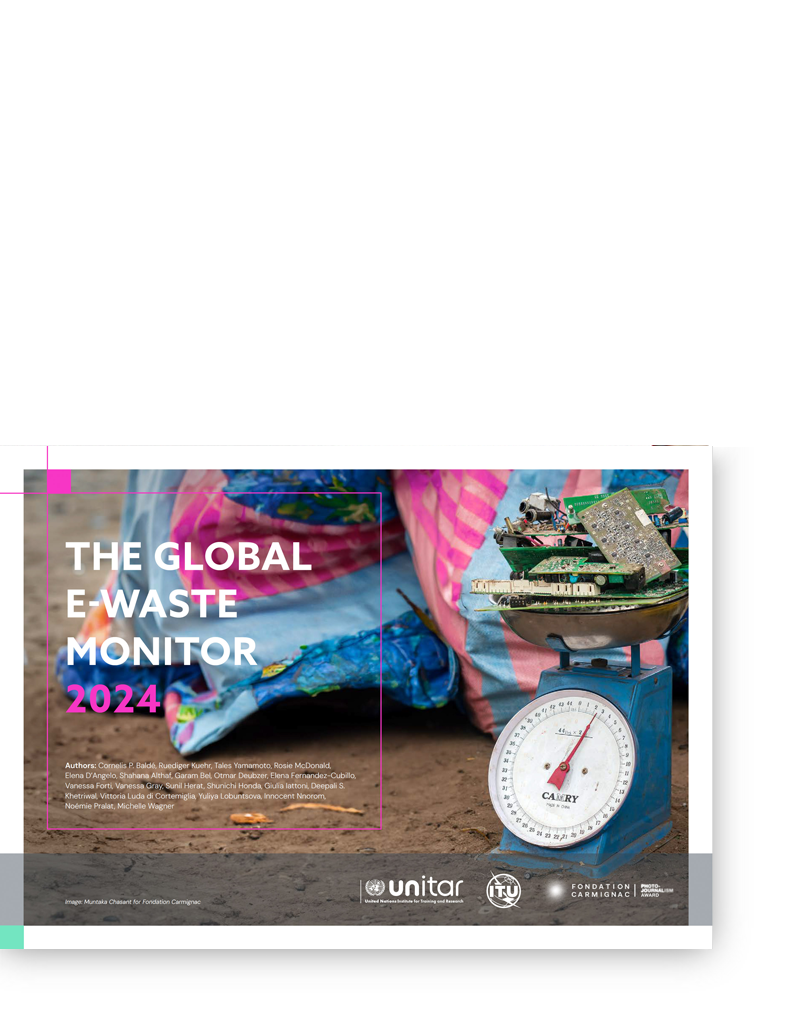
The Global E-waste Monitor 2024
• Electronic Waste Rising Five Times Faster than Documented E-waste Recycling: UN
The Global Transboundary E-waste Flows Monitor 2022
• E-waste Monitor 2014: Quantities, Flows and Resources
• Guidelines on classifications, reporting and indicators
• E-Waste landscape in Western Balkans: progress, obstacles, and recommendations for a more sustainable sector…
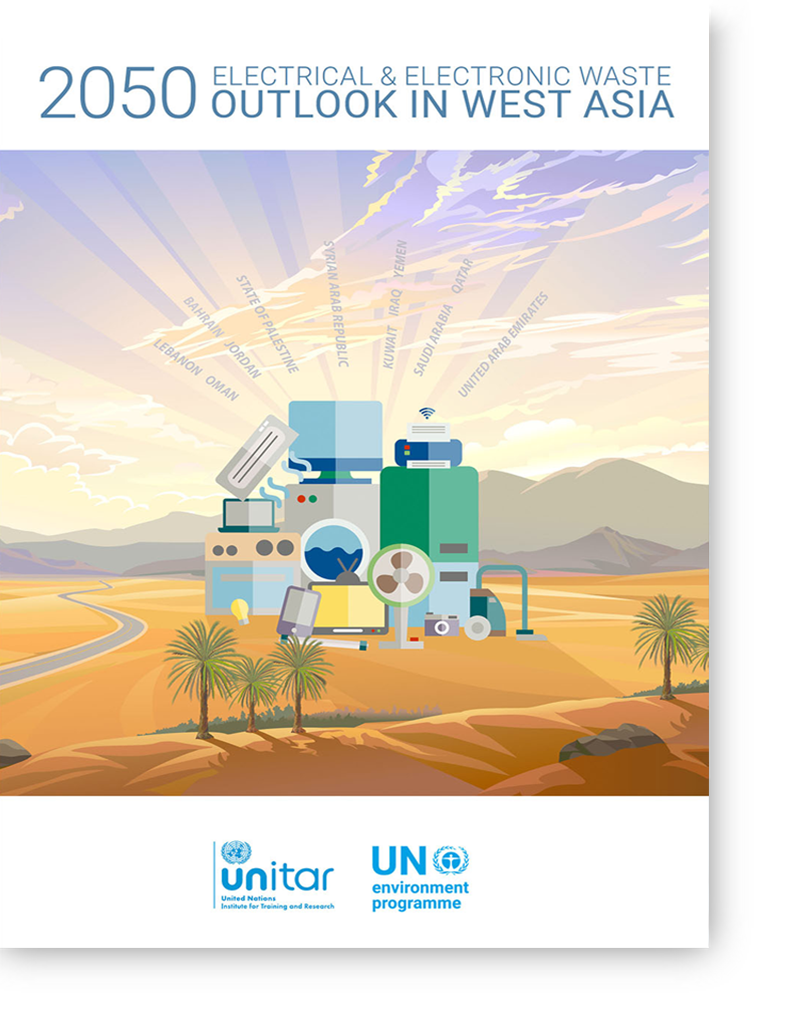
2050 Electronic and Electrical Waste Outlook in West Asia
• The joint UNEP-UNITAR 2050 Electronic and Electrical Waste Outlook in West Asia provides two contrasting future scenarios for e-waste management in…