
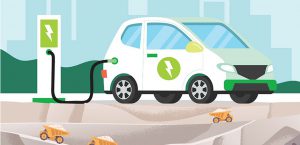
Future of Electric Vehicles and Material Resources: A Foresight Brief by SCYCLE and UNEP/IETC
Electric vehicles (EVs) offer an opportunity to replace fossil fuels in the transport sector. Electrification of the transport sector can
24th UN Organization Joins UN Family in Bonn
Bonn, Germany – United Nations Institute for Training and Research (UNITAR) Opens Office in Bonn, Germany Media contact: bonn@unitar.org | +49-228-815-0213

GREEN INDUSTRIAL POLICY:
14th July 2020 PROMOTING COMPETITIVNESS AND STRUCTURAL TRANSFORMATION A new course by the Partnership for Action on Green Economy (PAGE) What

E-waste will double by 2050.
E-waste will double by 2050. Business-as-usual is not an option to cope with it: UN Initiative. E-waste is referred to

Person in the Port (PiP) Study
About 3/4 of 60,000 tonnes of used electronic equipment shipped to Nigeria in both 2015 and 2016 originated from EU

Release of Mercury Report
14 December, Bonn – “In 2017, 6.2 million metric tonnes (Mt) of mercury-added product waste were generated worldwide, of which